Introduction
Yes, homeowners insurance often covers hail damage to gutters in Texas, because gutters are generally considered part of the dwelling and hail is a common covered cause of loss. The real question is whether the damage is large enough to clear your deductible and whether your policy limits payment for cosmetic damage. If a hailstorm leaves you needing
gutter installation, that cost is often one piece of a larger claim that includes the roof and other exterior items.
This matters in Mansfield because North Texas sits in an area known for frequent hail, and gutters tend to show impact marks early. Homeowners and small business owners often discover the damage days after a storm, which can make the timeline and the paperwork harder to manage.
This article explains how coverage usually works, how Texas deductibles can affect a gutter claim, and what to do before and after you file. It is general information, not insurance or legal advice. Your policy language controls, so your insurance agent or carrier is the right source for specific answers.
How Homeowners Insurance Treats Hail Damage
Hail as a Covered Peril
Standard homeowners policies usually list hail as a covered peril, which means damage caused by hail is eligible for payment if it is not excluded elsewhere in the policy. Coverage still depends on your deductible, your policy limits, and any endorsements that change how roof and exterior damage is paid.
Where Gutters Fit in the Policy
Gutters and downspouts are usually attached to the home, so they are commonly treated as part of the dwelling coverage. That means a covered hail loss can include them alongside the roof, siding, and trim. Detached structures, such as a separate garage or shed, are typically covered under a different part of the policy, and their gutters follow that coverage.
Business Owners and Commercial Policies
Commercial property policies usually cover hail damage to a building as well, but deductibles, roof payment terms, and exclusions can differ from a homeowners policy. Business owners who lease space should also check whether the lease makes the landlord or the tenant responsible for exterior repairs.
Texas Wind and Hail Deductibles
Percentage Deductibles Versus Flat Amounts
Many Texas policies use a separate wind and hail deductible instead of the standard flat deductible. This is often calculated as a percentage of the dwelling coverage amount. For example, a 1 percent deductible on a home insured for $300,000 would be $3,000. Your declarations page shows which type you have and what the number is.
Why a Gutter-Only Claim Often Falls Below the Deductible
Gutter repair or replacement can cost less than a percentage-based deductible. When that happens, the insurer has nothing to pay on the gutters alone. The claim becomes worthwhile mainly when the roof, siding, windows, and gutters are damaged together and the total exceeds the deductible.
Claims History and Premiums
Filing a claim can affect future premiums or renewal terms with some carriers, and the effect varies by company. Ask your agent how a hail claim could affect your policy before deciding whether a small loss is worth filing.
Cosmetic Damage Versus Functional Damage
What Cosmetic Damage Means
Cosmetic damage changes how a surface looks without changing how it works. A shallow dent in an aluminum gutter that still drains properly is a common example.
What Functional Damage Looks Like
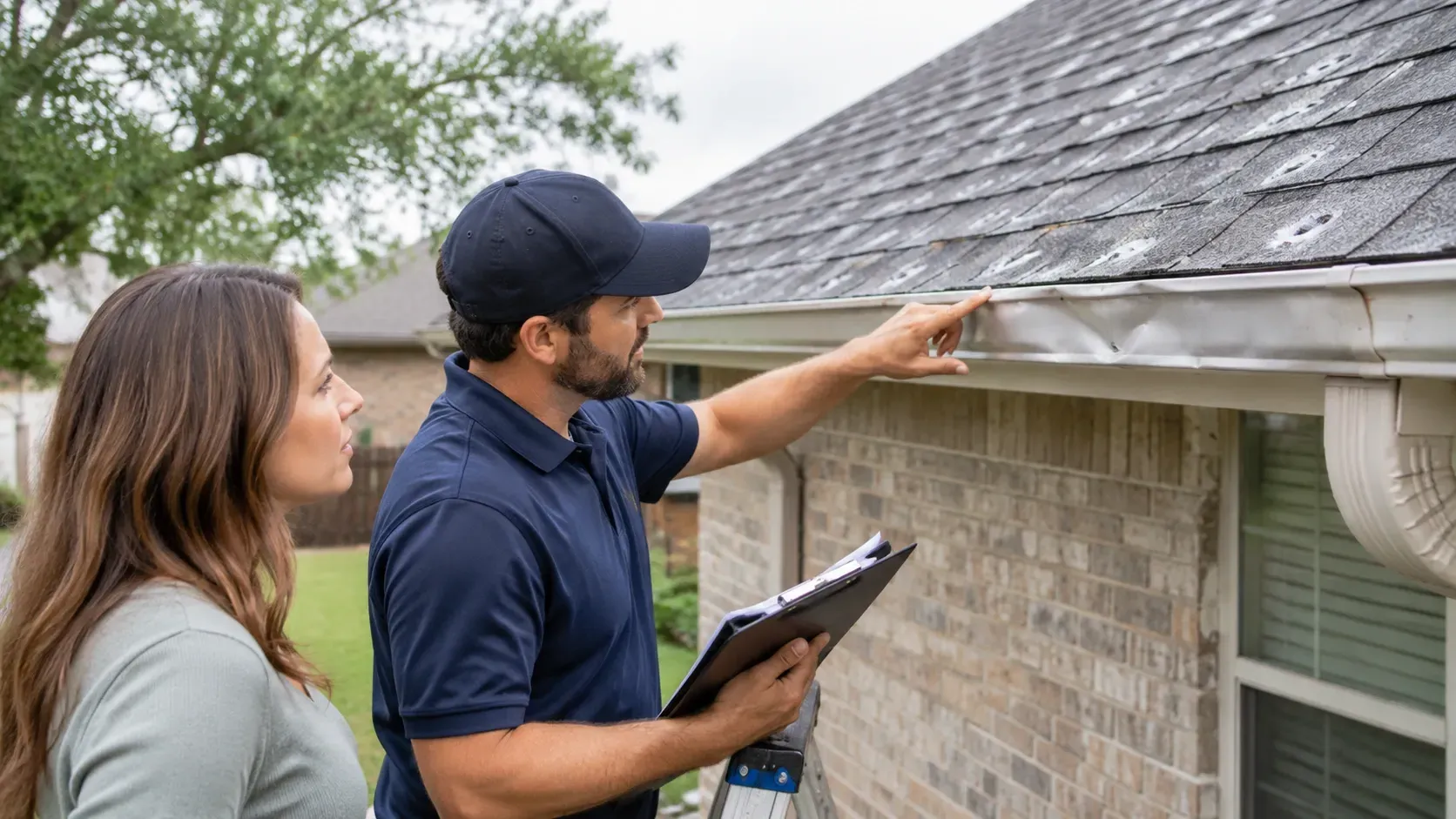
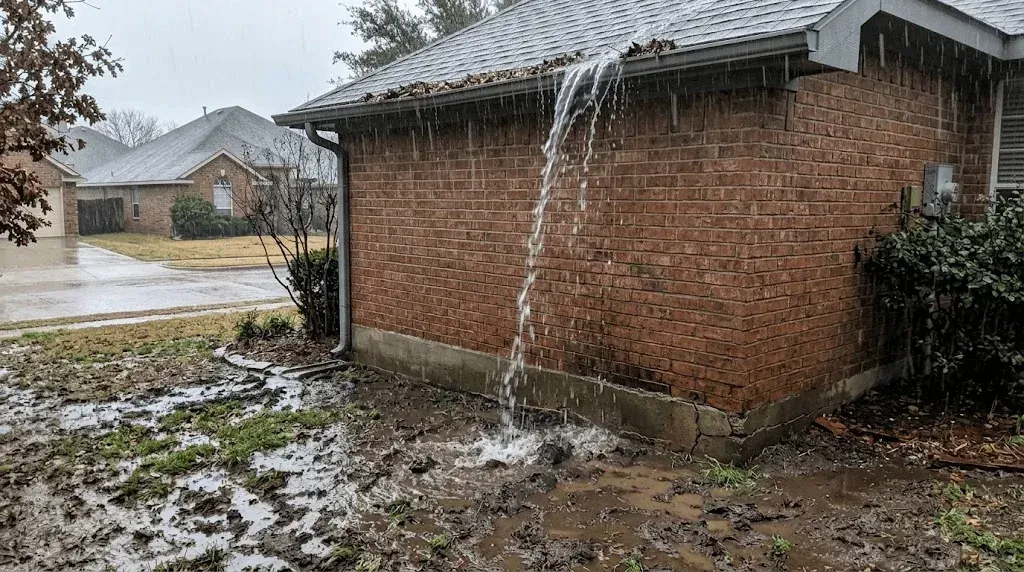
Functional damage affects performance. Cracked or split seams, gutters pulled away from the fascia, bent hangers, crushed downspouts, and sections that now hold standing water all count. This type of damage is easier to connect to a claim because it changes how the home handles water.
Policy Language Can Change the Outcome
Some policies include cosmetic damage exclusions, and many pay on an actual cash value basis for certain components instead of full replacement cost. Read the endorsements section of your policy so you know whether dented but working gutters would be paid.
What to Do After a Hailstorm
Put Safety First
Stay off wet roofs and ladders after a storm. Hail can loosen shingles, bend hangers, and leave sharp edges on damaged metal. If something looks unstable, wait for a professional.
Make Reasonable Temporary Repairs
Policies generally expect you to protect the home from further damage. If a gutter is hanging and sending water against the wall, a temporary fix and saved receipts are usually reasonable. Avoid permanent repairs until the damage has been documented.
Document Before You Touch Anything
Take wide photos of each side of the house, then close-ups of dents, cracks, and separations. Add a date, note the storm date, and include a coin or ruler for scale when you photograph dents. The National Weather Service classifies hail one inch or larger as severe, so recording hail size from nearby reports can also help.
Have the Gutters Checked and Cleaned
Hail knocks debris, granules, and leaves into gutters, and blockages can hide damage. Professional
gutter cleaning clears the runs so dents, seam gaps, and sagging sections are easier to see and photograph. Cleaning is not the same as a claim inspection, but it can reveal problems worth noting.
Look at the Rest of the Exterior
Siding, window screens, trim, and fences often show hail marks too. Dirt and mildew can hide small impact marks, so a clean surface from
house washing can make exterior damage easier to spot. Do this only after your documentation photos are taken.
File the Claim and Keep Records
Contact your carrier, ask what documents it needs, and note the claim number, dates, and the name of each person you speak with. Policies and Texas law set time limits for reporting and for disputes, so do not wait longer than necessary.
What Adjusters and Inspectors Look For
Pattern and Direction
Hail damage tends to appear on the same side of a property because wind pushes storms in one direction. Consistent dents across gutters, vents, and metal accessories support the idea that a recent storm caused them.
Age and Prior Wear
Inspectors separate hail damage from older dents, rust, and sagging caused by neglect. Gutter condition before the storm matters, which is why maintenance records and earlier photos can help.
Collateral Evidence
Dented AC fins, mailbox tops, grill covers, and downspouts help confirm hail size and impact. If only the gutters are damaged, an inspector may question the cause.
A Hypothetical Scenario
This is an example, not a real client story. Imagine a Mansfield homeowner whose policy has a 1 percent wind and hail deductible on a $350,000 dwelling, so the deductible is $3,500. After a storm, the homeowner finds dents on the gutters and gets a repair estimate of $1,800.
Because the estimate is lower than the deductible, filing on the gutters alone would likely pay nothing. A roof inspection then finds damaged shingles, and the combined roof and gutter estimate exceeds the deductible. The claim now makes sense to file, with photos of the gutters, the roof, and the date of the storm.
Change the facts and the answer changes too. If the roof is undamaged, the homeowner may pay for the gutters directly. The point is that gutters are rarely judged in isolation.
What Online Advice Often Overlooks
The Deductible Often Decides the Outcome
Many articles say hail damage is covered and stop there. They skip the percentage deductible that can make a small gutter claim pointless to file.
Contractor Promises Need Care
Texas law generally prohibits contractors from waiving or absorbing your deductible. Be cautious about anyone who offers to cover it, and confirm the rules with your insurer or the Texas Department of Insurance.
Cleaning and Repairs Can Affect Evidence
High pressure on damaged components can worsen them or erase evidence. If you plan
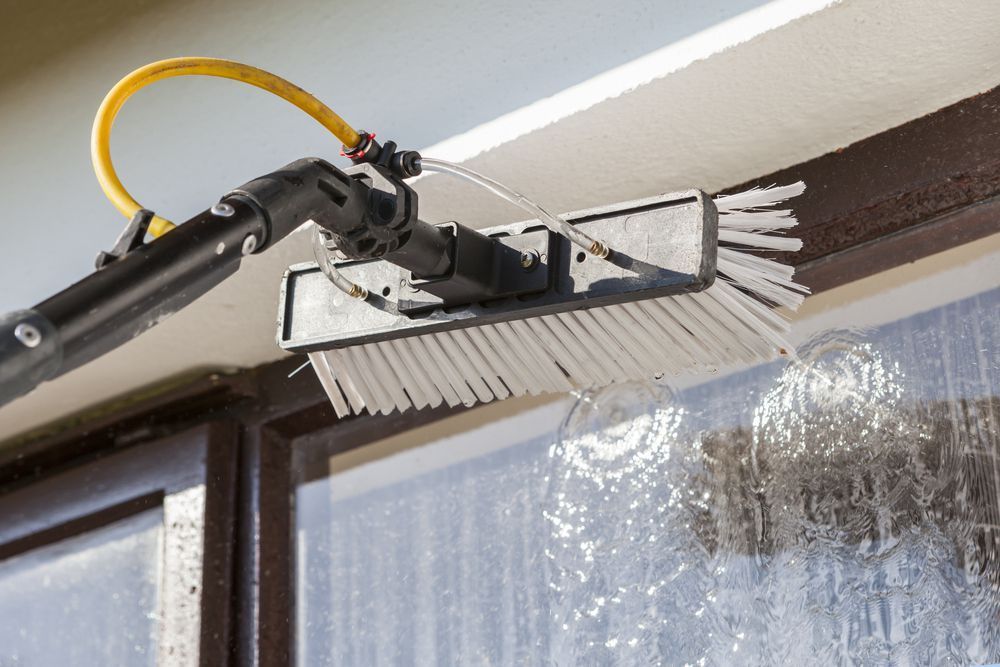
pressure washing after a storm, wait until the inspection and photos are complete, and ask the provider to avoid loosened or dented gutter sections.
Roof Terms Drive the Bigger Number
The roof is usually the largest part of a hail claim, so roof payment terms, such as actual cash value or replacement cost, often shape the total more than the gutters do.
Common Misunderstandings
Belief: Dented gutters are always covered in full. Coverage depends on the policy, the deductible, and whether the damage is cosmetic or functional. A dent that does not affect drainage may be treated differently.
Belief: A claim should be filed for every hail mark. A small loss can sit below your deductible and may affect future premiums with some carriers. Weigh the repair cost against the deductible before you file.
Belief: Insurance will pay for gutter upgrades. Policies generally pay to restore damaged items to similar condition, not to improve them. A larger or different gutter style may cost extra out of pocket.
A Practical Pre-Claim Checklist
Use this list before you call your carrier:
- Find your declarations page and note the wind and hail deductible.
- Read the endorsements for cosmetic damage or roof payment terms.
- Photograph every side of the home and all gutter damage with dates.
- Record the storm date and nearby hail size reports.
- Have gutters cleared and inspected so damage is visible.
- Get a repair estimate for the gutters and an inspection of the roof.
- Compare the total estimate to your deductible.
- Keep receipts for temporary repairs and notes from every call.
Conclusion
Homeowners insurance often covers hail damage to gutters in Texas, but coverage alone does not tell you whether a claim is worth filing. The deductible, the difference between cosmetic and functional damage, and the condition of the roof and exterior all affect the result.
Careful documentation, reasonable temporary repairs, and a clear view of your policy terms put you in a stronger position to decide what to do. None of this replaces advice from your insurance agent or carrier about your own policy.
Questions About Hail Damage to Gutters in Mansfield?
If a storm has left your gutters dented, loose, or backed up, it helps to understand what you are looking at before you decide on repairs or a claim. You can
contact us
to talk through the condition of your gutters and what cleaning or replacement could involve. We do not handle insurance claims, so your carrier remains the source for coverage questions.